Choosing Your First Guitar: A Beginner’s Buying Guide
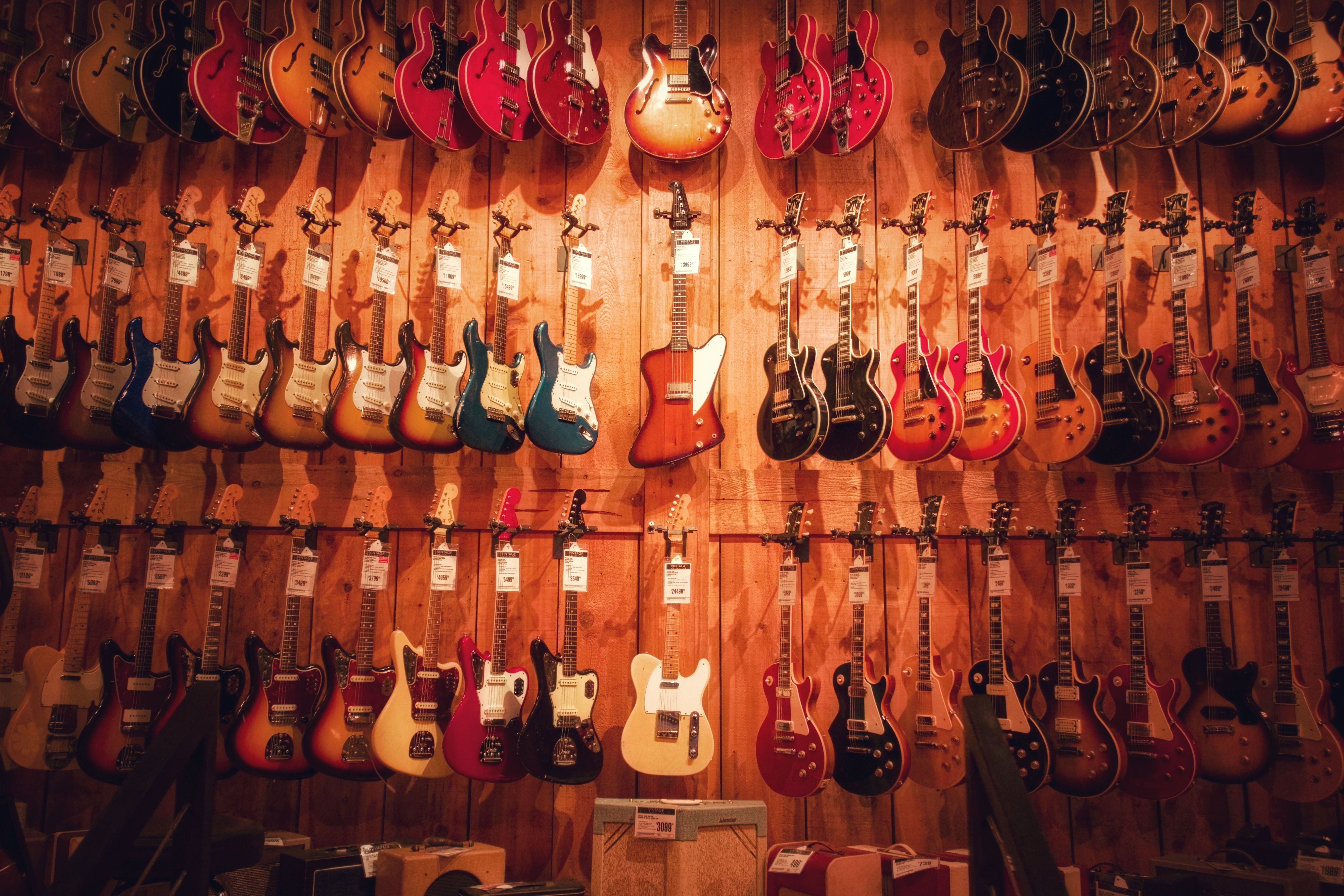
What to spend, what to ignore, and why a proper setup matters more than the badge on the headstock. A practical guide to buying your first guitar in Dublin.
Walking into a guitar shop as a complete beginner is intimidating. There are hundreds of instruments on the wall, the prices range wildly, and it is genuinely hard to tell what separates one from another.
Here is what actually matters.
What to spend
For a first guitar, somewhere in the region of €150 to €300 hits the sweet spot. Below that, build quality starts to work against you — necks that will not stay straight and tuners that will not hold pitch make learning genuinely harder.
Above that, you are paying for tonewoods and finish detail that a beginner will not yet appreciate. There is no need to spend more until you know what you want.
If you are buying electric, remember to budget for a small practice amp and a lead. A modest 10 to 15 watt amp is plenty for a bedroom.
The thing nobody tells you: setup
A setup is a quick adjustment by a technician — lowering the string height, straightening the neck, correcting the intonation. It typically costs a fraction of the guitar's price and it transforms how the instrument plays.
Most budget guitars leave the factory with the strings far too high off the fretboard. That makes chords painful and buzzy, and beginners almost always assume the problem is their hands. It is not.
If you buy one thing beyond the guitar itself, buy a setup.
Buying new versus second-hand
Second-hand is excellent value if you can bring someone who knows what to look for. Check the neck is straight by sighting down it from the headstock, make sure the frets are not badly worn, and confirm the tuners hold pitch.
If you are buying alone with no experience, new from a shop is the safer option — you get a warranty and you can play several before choosing.
What to ignore
- Brand snobbery. Entry-level instruments from the major brands are largely made in the same factories.
- Beginner bundle packs. The guitar in the box is usually the cheapest one the brand makes, padded out with accessories worth very little.
- Anything described as “easy to play” because it is small, unless you are buying for a child. Three-quarter size guitars are for small hands, not for beginners generally.
Play it before you buy it
Even if you cannot play a note yet, hold it. Does the neck feel comfortable? Is it too heavy on your leg? Do you actually like looking at it?
That last one sounds trivial. It is not. You will practise more on a guitar you enjoy picking up.
If you would like a second opinion before you buy, bring it along to a first lesson — I am always happy to check a new student's instrument over.
Learn it properly, with a teacher
1-2-1 beginner guitar lessons in Dublin — €30 for 30 minutes, or €350 for a 10-hour block.
Book a Lesson