Electric or Acoustic: Which Should a Beginner Start On?
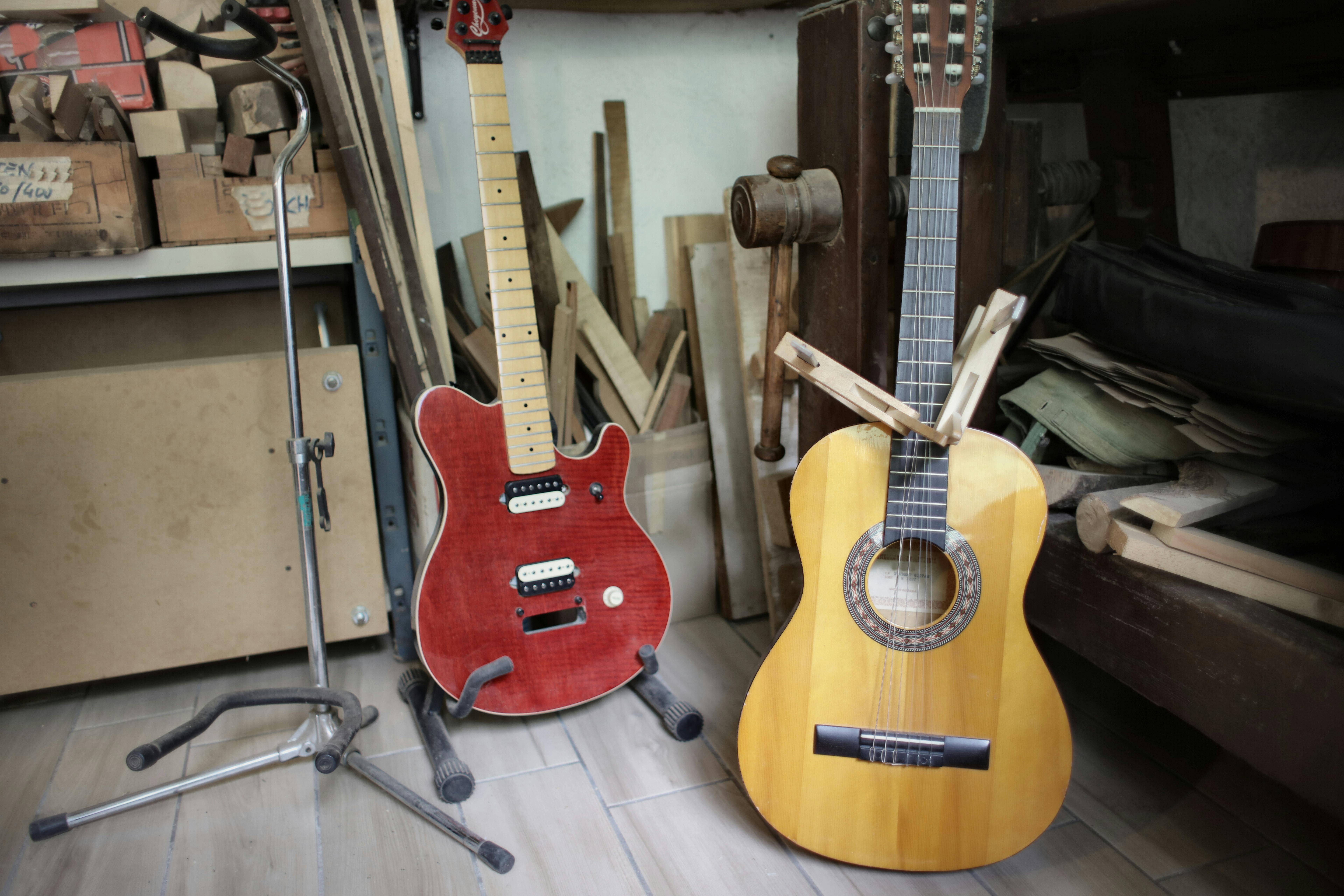
The old advice was always “start on acoustic”. It is not that simple. Here is how to choose the right first guitar for the music you actually want to play.
There is a stubborn piece of received wisdom that beginners must start on acoustic and earn their way to an electric. It is not true, and following it has quietly put a lot of people off the instrument entirely.
The right answer is simpler than the debate suggests: start on whichever guitar plays the music you love.
The case for acoustic
An acoustic is self-contained. No amp, no lead, no settings to get wrong — you pick it up and it makes sound, which removes friction on the days you nearly did not bother practising.
The strings are heavier and sit further from the fretboard, so it takes more finger strength. That is genuinely harder at the start, but it does build strength quickly, and anyone who learns on acoustic finds an electric feels effortless afterwards.
Acoustic suits you if you want to strum and sing, play folk or singer-songwriter material, or bring a guitar to places where plugging in is not an option.
The case for electric
Electric guitars are physically easier to play. The strings are lighter, the action is lower, and the neck is usually slimmer — all of which means less finger pain in those first few weeks when people are most likely to quit.
You can also practise quietly. Plug in headphones and you can play at midnight in a shared house without anyone hearing a note, which is more than can be said for an acoustic.
Electric suits you if you want to play rock, blues, metal, funk or pop, or if you are drawn to lead playing and solos.
What actually matters more than the choice
Motivation beats tradition. The student who is excited to pick up their guitar will out-practise the student who chose the “correct” one. If you have spent years listening to guitar-driven rock, an acoustic may feel like a compromise from day one.
Setup matters more than price. A cheap guitar that has been properly set up — strings at the right height, neck straight, intonation correct — is far easier to learn on than an expensive one straight out of the box. Many beginner struggles are the guitar's fault, not the player's.
The practical answer
Pick the one that matches the music in your head. The skills transfer almost entirely: chords, rhythm, fretboard knowledge and technique carry across both. Most players end up owning both eventually anyway.
If you genuinely have no preference, an acoustic is the slightly more flexible starting point — but that is a tiebreaker, not a rule.
In lessons here in Dublin we teach both, and plenty of students split their time between the two.
Learn it properly, with a teacher
1-2-1 beginner guitar lessons in Dublin — €30 for 30 minutes, or €350 for a 10-hour block.
Book a Lesson